|
Cavities, also known as dental caries, can lead to discomfort and require dental treatment to repair. Fortunately, there are several steps you can take to prevent cavities and maintain a healthy smile. Here are some tips to help you keep your teeth cavity-free: 1. Brush Regularly: Brush your teeth at least twice a day with a fluoride-free toothpaste or a natural alternative. Brushing removes plaque, a sticky film of bacteria that can contribute to cavities. 2. Floss Daily: Flossing helps remove food particles and plaque from between your teeth and along the gumline. Make it a habit to floss once a day to prevent cavities and gum disease. 3. Choose the Right Toothpaste: Select a toothpaste that contains fluoride-free to help strengthen tooth enamel and protect against cavities. Avoid toothpaste with artificial sweeteners or flavors, which can contribute to cavity formation. 4. Limit Sugary and Acidic Foods: Sugary and acidic foods and beverages can contribute to cavity formation by promoting the growth of bacteria that produce acid. Limit your intake of candies, sodas, and acidic fruits to reduce your risk of cavities. 5. Drink Water: Water helps wash away food particles and bacteria from your mouth, reducing the risk of cavities. Drink fluoridated water to help strengthen tooth enamel and protect against decay.  6. Chew Sugar-Free Gum: Chewing sugar-free gum after meals stimulates saliva production, which helps neutralize acids and wash away food particles. Look for gum sweetened with xylitol, which can help reduce cavity-causing bacteria.
7. Visit Your Dentist Regularly: Regular dental check-ups and cleanings are essential for preventing cavities. Your dentist can detect early signs of decay, provide professional cleanings to remove plaque and tartar, and offer preventive treatments like fluoride treatments or dental sealants. 8. Consider Dental Sealants: Dental sealants are thin, protective coatings applied to the chewing surfaces of the back teeth (molars). Sealants create a barrier that prevents food and bacteria from accumulating in the grooves of the teeth, reducing the risk of cavities. 9. Use Fluoride-Free Mouthwash: Incorporate a fluoride-free mouthwash into your oral hygiene routine to help reduce plaque, freshen breath, and protect against cavities. Look for natural or alcohol-free options for gentle care. 10. Practice Good Oral Hygiene: In addition to brushing and flossing, clean your tongue with a tongue scraper or your toothbrush to remove bacteria and prevent bad breath. Maintain a consistent oral hygiene routine to keep your teeth and gums healthy. Join Us at Social Circle Dental At Social Circle Dental, we're dedicated to helping you achieve optimal oral health and prevent cavities. Our holistic approach emphasizes natural and effective dental care practices to support your overall well-being. Call us at (770) 464-1900 to schedule your next dental appointment and take proactive steps toward preventing cavities today.
0 Comments
Your smile is a reflection of your overall health and well-being, and taking care of your teeth goes beyond just brushing. From preventing cavities to maintaining fresh breath, here are ten tips to keep your teeth in top shape: 1. Brush Twice a Day: Brushing your teeth twice a day, preferably after meals, helps remove plaque and food particles that can lead to cavities and gum disease. Use a fluoride-free toothpaste or a natural alternative to gently clean your teeth and gums. 2. Floss Daily: Flossing is crucial for removing plaque and food debris from between your teeth and along the gumline, where your toothbrush can't reach. Make it a habit to floss at least once a day to prevent cavities and gum disease. 3. Choose a Healthy Diet: A diet rich in fruits, vegetables, lean proteins, and whole grains not only supports overall health but also benefits your teeth. Limit sugary and acidic foods and beverages, which can contribute to tooth decay and enamel erosion. 4. Drink Plenty of Water: Water helps wash away food particles and keeps your mouth hydrated. It also helps neutralize acids produced by bacteria in your mouth, reducing the risk of cavities.  5. Use Mouthwash: Incorporate a fluoride-free mouthwash into your oral hygiene routine to help reduce plaque, freshen breath, and maintain healthy gums. Look for natural or alcohol-free options for a gentle cleanse.
6. Avoid Tobacco Products: Smoking and chewing tobacco can stain your teeth, contribute to gum disease, and increase the risk of oral cancer. Quitting tobacco products can improve your oral health and overall well-being. 7. Visit Your Dentist Regularly: Regular dental check-ups and cleanings are essential for maintaining oral health. Your dentist can detect early signs of dental problems and provide preventive care to keep your teeth and gums healthy. 8. Protect Your Teeth: Wear a mouthguard when playing sports or engaging in activities that could risk damaging your teeth. This simple step can prevent dental injuries and preserve your smile. 9. Practice Good Oral Hygiene: In addition to brushing and flossing, consider using a tongue scraper to remove bacteria from your tongue, which can cause bad breath. Brush your tongue gently to keep it clean. 10. Manage Stress: Stress can contribute to teeth grinding (bruxism), which can wear down enamel and lead to tooth sensitivity and jaw pain. Practice stress-relief techniques such as yoga, meditation, or deep breathing to protect your teeth. Join Us at Social Circle Dental At Social Circle Dental, we're committed to helping you achieve and maintain a healthy smile for life. Whether you need preventive care, cosmetic treatments, or restorative dentistry, our holistic approach prioritizes your overall well-being. Call us at (770) 464-1900 to schedule your next appointment and take the first step toward healthier teeth today. In the realm of dental care, brushing your teeth might seem like the main act, but there’s an essential supporting role that’s often overlooked: flossing. This simple yet effective practice can make a world of difference in your oral health, preventing a host of problems from gum disease to cavities. Let’s delve into why flossing is so important and how you can make it a cornerstone of your daily routine. Why Flossing Matters Flossing isn’t just about removing food particles stuck between your teeth (though that’s important too!). It’s primarily about clearing away plaque — a sticky film of bacteria — that forms between your teeth and along the gumline. When left undisturbed, this plaque hardens into tartar, leading to gum inflammation (gingivitis) and potentially more severe gum disease (periodontitis). Regular flossing, ideally once a day, helps prevent these issues by removing plaque before it hardens. The Benefits of Regular Flossing
 How to Floss Correctly
Like any habit, consistency is key to reaping the benefits of flossing. Here are a few tips to help you incorporate flossing into your daily routine:
Join Us at Social Circle Dental Ready to prioritize your dental health? At Social Circle Dental, we’re here to support you with comprehensive dental care that prioritizes your well-being. Call us at (770) 464-1900 to schedule your next appointment and discover how we can help you achieve a healthy smile for life. Taking care of your gums is crucial for maintaining overall oral health and preventing serious dental issues down the road. Here’s why healthy gums matter and how you can ensure they stay in top shape: Why Healthy Gums Matter Your gums play a pivotal role in supporting your teeth and overall oral health. Healthy gums are firm, pink, and do not bleed when you brush or floss. They act as a protective barrier, helping to keep bacteria from entering your bloodstream and potentially affecting other parts of your body. When gums are neglected, they can become inflamed, leading to gingivitis (early gum disease) and, if left untreated, progress to periodontitis, which can cause irreversible damage to the gums and bones supporting your teeth.  Tips for Taking Care of Your Gums
Taking care of your gums is essential for preserving your smile and overall well-being. By incorporating these habits into your daily routine and visiting your holistic dentist regularly, you can ensure your gums stay healthy and your smile stays bright. For personalized gum care and holistic dental services, contact Social Circle Dental at (770) 464-1900. Let’s keep your gums healthy together! Brushing your teeth is a fundamental part of maintaining good oral hygiene and preventing dental problems like cavities, gum disease, and bad breath. However, simply going through the motions isn't enough to ensure optimal results. In this blog post, we'll explore the correct way to brush your teeth and share essential tips for mastering this daily ritual to keep your smile healthy and bright. Step-by-Step Guide to Proper Brushing Technique Follow these steps to ensure you're brushing your teeth effectively: 1. Choose the Right Tools: Start by selecting a soft-bristled toothbrush that's comfortable to hold and fits easily in your mouth. Opt for fluoride-free toothpaste to avoid potential irritation or sensitivity. 2. Position Your Toothbrush: Hold your toothbrush at a 45-degree angle to your gums, ensuring the bristles make contact with both the teeth and the gumline. 3. Use Gentle, Circular Motions: Rather than scrubbing back and forth, use gentle, circular motions to clean the front, back, and chewing surfaces of your teeth. Pay particular attention to hard-to-reach areas, such as the back molars and along the gumline. 4. Don't Forget Your Tongue and Inner Cheeks: Brushing your tongue and the inner surfaces of your cheeks helps remove bacteria and freshen your breath. Use gentle strokes to avoid irritation. 5. Brush for Two Minutes: Aim to brush your teeth for at least two minutes each time, ensuring thorough cleaning and plaque removal. You can use a timer or listen to a short song to help track the time. 6. Rinse Thoroughly: After brushing, rinse your mouth thoroughly with water to remove any remaining toothpaste and debris. 7. Replace Your Toothbrush Regularly: Replace your toothbrush every three to four months or sooner if the bristles become frayed or worn. A worn toothbrush is less effective at cleaning your teeth properly. 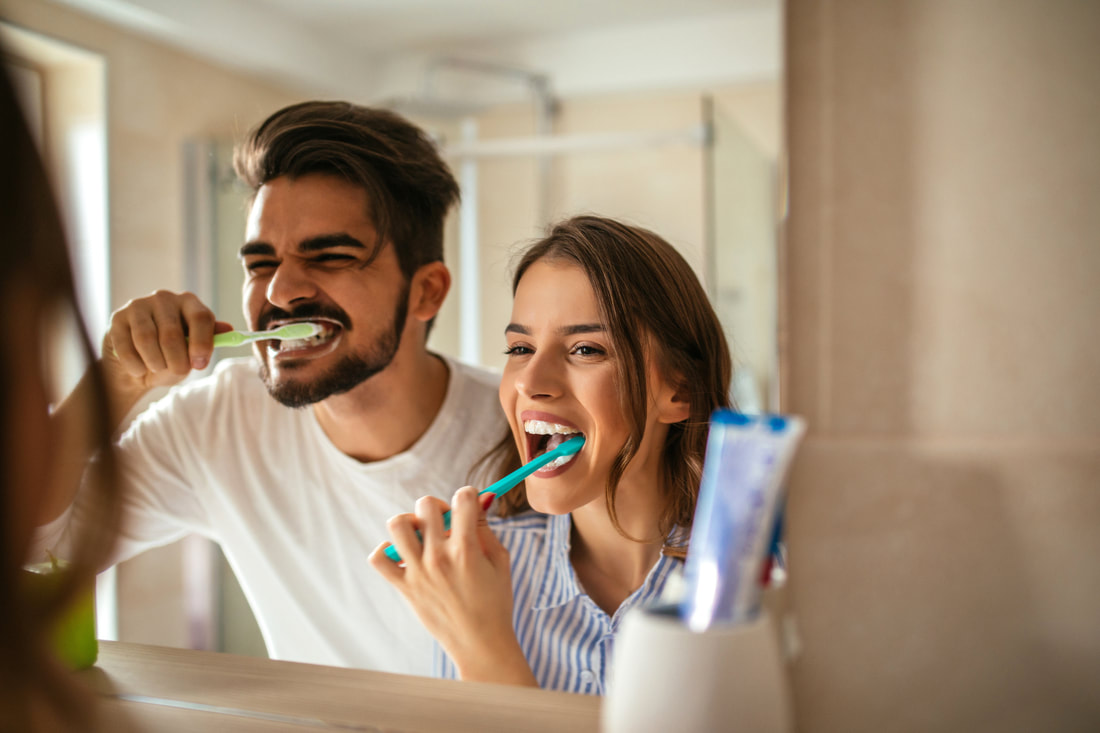 Tips for Effective Brushing
In addition to following the correct brushing technique, consider the following tips to enhance your brushing routine:
Achieving a Healthy Smile at Social Circle Dental At Social Circle Dental, we're committed to helping you achieve and maintain a healthy, beautiful smile. If you have any questions about proper brushing technique or would like to schedule a dental check-up, please contact us at 770-464-1900. Your smile's health is our priority, and we're here to support you every step of the way! Do you wince when you indulge in your favorite ice cream or take a sip of hot coffee? If so, you're not alone. Tooth sensitivity is a common dental complaint that affects millions of people worldwide. In this blog post, we'll explore the causes of tooth sensitivity, its impact on daily life, and effective ways to treat and manage this uncomfortable condition. Understanding Tooth Sensitivity Tooth sensitivity, also known as dentin hypersensitivity, occurs when the protective outer layer of your teeth (enamel) wears down, exposing the underlying dentin and nerve endings. This exposure can lead to discomfort or pain when the teeth come into contact with hot, cold, sweet, or acidic foods and beverages, as well as cold air or brushing and flossing. Common Causes of Tooth Sensitivity Several factors can contribute to the development of tooth sensitivity, including:
 Treating and Managing Tooth Sensitivity
While tooth sensitivity can be uncomfortable, it's often treatable with the right approach. Here are some strategies to help alleviate sensitivity and protect your teeth:
If you're experiencing tooth sensitivity, don't suffer in silence. The team at Social Circle Dental is here to help you find relief and regain your comfort. Contact us at 770-464-1900 to schedule an appointment and take the first step toward a pain-free smile. Your comfort and well-being are our top priorities! Your enamel may be the hardest substance in your body, but it's also one of the most vulnerable. As the outermost layer of your teeth, enamel plays a crucial role in protecting them from decay, sensitivity, and damage. In this blog post, we'll explore the significance of enamel and share essential tips for taking care of it to maintain a healthy, radiant smile. Understanding Enamel Enamel is the thin, outer covering of your teeth that acts as a protective barrier against bacteria, acids, and mechanical forces. Its dense structure is primarily composed of minerals, primarily hydroxyapatite, making it incredibly resilient. However, enamel does not contain any living cells and cannot regenerate once it's lost, making its preservation vital for maintaining oral health. The Role of Enamel in Oral Health Enamel serves several essential functions in maintaining oral health:
 Tips for Enamel Care
Taking care of your enamel is essential for maintaining a healthy, beautiful smile. Here are some tips to help preserve and protect your enamel:
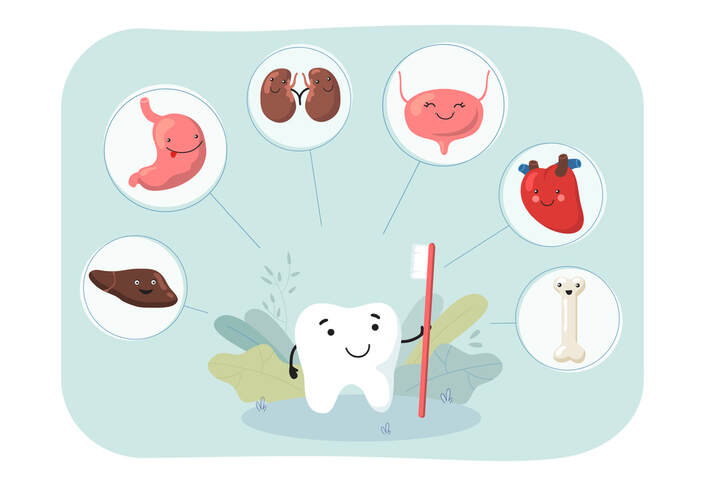
Your enamel is a precious asset that plays a vital role in protecting your teeth and maintaining your oral health. By following these tips for enamel care and prioritizing good oral hygiene habits, you can enjoy a healthy, radiant smile for years to come. At Social Circle Dental, we're committed to helping you preserve your enamel and achieve optimal oral health. If you have any concerns about enamel erosion or would like to schedule a dental check-up, please contact us at 770-464-1900. Let us partner with you in preserving your smile's natural beauty and vitality. Your enamel's health is our priority! Welcome to Social Circle Dental, where we prioritize not only your dental health but your overall well-being. In this blog post, we'll delve into the concept of holistic dentistry and how it aligns with our practice philosophy. Join us as we explore the principles of holistic dentistry and why it's gaining recognition as a comprehensive approach to oral care. What is Holistic Dentistry? Holistic dentistry, also known as biological or integrative dentistry, takes a whole-body approach to oral health. It recognizes the interconnectedness of the mouth with the rest of the body and aims to promote wellness beyond just treating dental problems. At its core, holistic dentistry emphasizes:
 The Holistic Dentistry Difference at Social Circle Dental
At Social Circle Dental, we're proud to embrace the principles of holistic dentistry in our practice. Here's how we incorporate holistic dentistry into our approach to care:
If you're seeking a dental practice that prioritizes your overall well-being and takes a holistic approach to oral health, look no further than Social Circle Dental. Our team is dedicated to providing compassionate, personalized care that supports your holistic wellness journey. 7704641900To learn more about holistic dentistry or to schedule an appointment with us, please contact Social Circle Dental at 770-464-1900. Let us partner with you in achieving a healthier, happier smile from the inside out. Your well-being is our priority! When it comes to maintaining optimal oral health, hydration plays a crucial role that is often overlooked. While most people associate hydration with overall well-being, its impact on teeth and gums is equally significant. In this blog post, we'll delve into the importance of hydration for healthy teeth and gums and explore how staying adequately hydrated can contribute to a vibrant smile. 1. Saliva Production and Oral Health Saliva is often referred to as the mouth's natural defense system, and for a good reason. It plays a vital role in maintaining oral health by:
 2. Prevention of Dry Mouth
Dehydration can lead to dry mouth, a condition characterized by reduced saliva production. Dry mouth not only causes discomfort but also increases the risk of oral health issues, including:
Hydration is essential for maintaining healthy gums. Adequate fluid intake helps ensure that the gums receive the nutrients and oxygen they need to stay healthy and resilient. Proper hydration also supports gum tissue hydration, reducing the risk of inflammation and promoting gum tissue regeneration. Tips for Staying Hydrated To maintain optimal hydration and support your oral health, consider the following tips:
Hydration is essential for maintaining healthy teeth and gums and supporting overall well-being. By staying adequately hydrated and adopting good oral hygiene habits, you can enjoy a vibrant smile and optimal oral health for years to come. At Social Circle Dental, we're committed to helping you achieve and maintain a healthy smile. If you have any questions about hydration and its impact on your oral health or would like to schedule a dental check-up, please contact us at 770-464-1900. Your smile's health is our priority! A bright, white smile is often associated with confidence and vitality. While there are numerous teeth whitening products available on the market, many people are turning to natural methods to achieve a radiant smile without the use of harsh chemicals or expensive treatments. In this blog post, we'll explore several natural ways to whiten teeth that you can incorporate into your daily routine. 1. Baking Soda Baking soda, or sodium bicarbonate, is a gentle abrasive that can help remove surface stains from teeth. Its mild abrasiveness can effectively polish teeth and remove plaque, leading to a brighter smile. How to Use: Create a paste by mixing baking soda with a small amount of water. Brush your teeth with this paste for 1-2 minutes, then rinse thoroughly. Use this method only 2-3 times per week to avoid excessive abrasion. 2. Hydrogen Peroxide Hydrogen peroxide is a common ingredient in many commercial teeth whitening products. It works by breaking down stains and discoloration on the surface of the teeth, resulting in a whiter appearance. How to Use: Dilute hydrogen peroxide with water (about 50:50 ratio) and use it as a mouthwash. Swish the solution around in your mouth for 1-2 minutes, then spit it out and rinse thoroughly with water. Be cautious not to swallow the solution. 3. Oil Pulling Oil pulling is an ancient practice that involves swishing oil around in your mouth to remove bacteria and toxins. While it's primarily used for oral hygiene, some people claim that it can also help whiten teeth over time. How to Use: Swish 1-2 tablespoons of coconut oil or sesame oil in your mouth for 15-20 minutes, then spit it out and rinse your mouth thoroughly with water. Oil pulling can be done daily as part of your oral hygiene routine.  4. Eating Crunchy Fruits and Vegetables
Crunchy fruits and vegetables like apples, carrots, and celery act as natural toothbrushes, gently scrubbing the surface of your teeth and promoting saliva production. Saliva helps neutralize acids and wash away food particles, contributing to a brighter smile. 5. Limiting Staining Foods and Beverages Certain foods and beverages, such as coffee, tea, red wine, and dark-colored berries, can stain your teeth over time. Limiting your consumption of these staining substances can help prevent further discoloration and maintain a whiter smile. 6. Maintaining Good Oral Hygiene Regular brushing, flossing, and dental check-ups are essential for maintaining oral health and preventing stains and discoloration. Proper oral hygiene removes plaque and tartar buildup, which can contribute to dull-looking teeth. 7. Activated Charcoal Activated charcoal is gaining popularity as a natural teeth whitening remedy. It works by adsorbing surface stains and toxins, leaving your teeth looking brighter. How to Use: Wet your toothbrush, dip it into powdered activated charcoal, and gently brush your teeth for 2 minutes. Rinse thoroughly with water, and brush again with your regular toothpaste to remove any residue. Use activated charcoal sparingly to avoid enamel erosion. Achieve Your Brightest Smile Naturally While these natural methods can help whiten teeth to some extent, it's essential to manage your expectations and be patient, as results may vary. Additionally, remember that maintaining good oral hygiene habits and visiting your dentist regularly are essential for overall dental health. At Social Circle Dental, we're committed to helping you achieve and maintain a healthy, radiant smile. If you're interested in learning more about natural teeth whitening methods or seeking professional dental advice, contact us at 770-464-1900 to schedule an appointment. Let's work together to make your smile shine naturally! |
AuthorSocial Circle Dental is a holistic dental practice devoted to restoring and enhancing the natural beauty of your smile using conservative, state-of-the-art procedures, while focusing on your overall health and well-being. Archives
May 2024
Categories |

 RSS Feed